
Simple Coach Hire
Your Stress-Free Group Transportation Solution

Your Stress-Free Group Transportation Solution

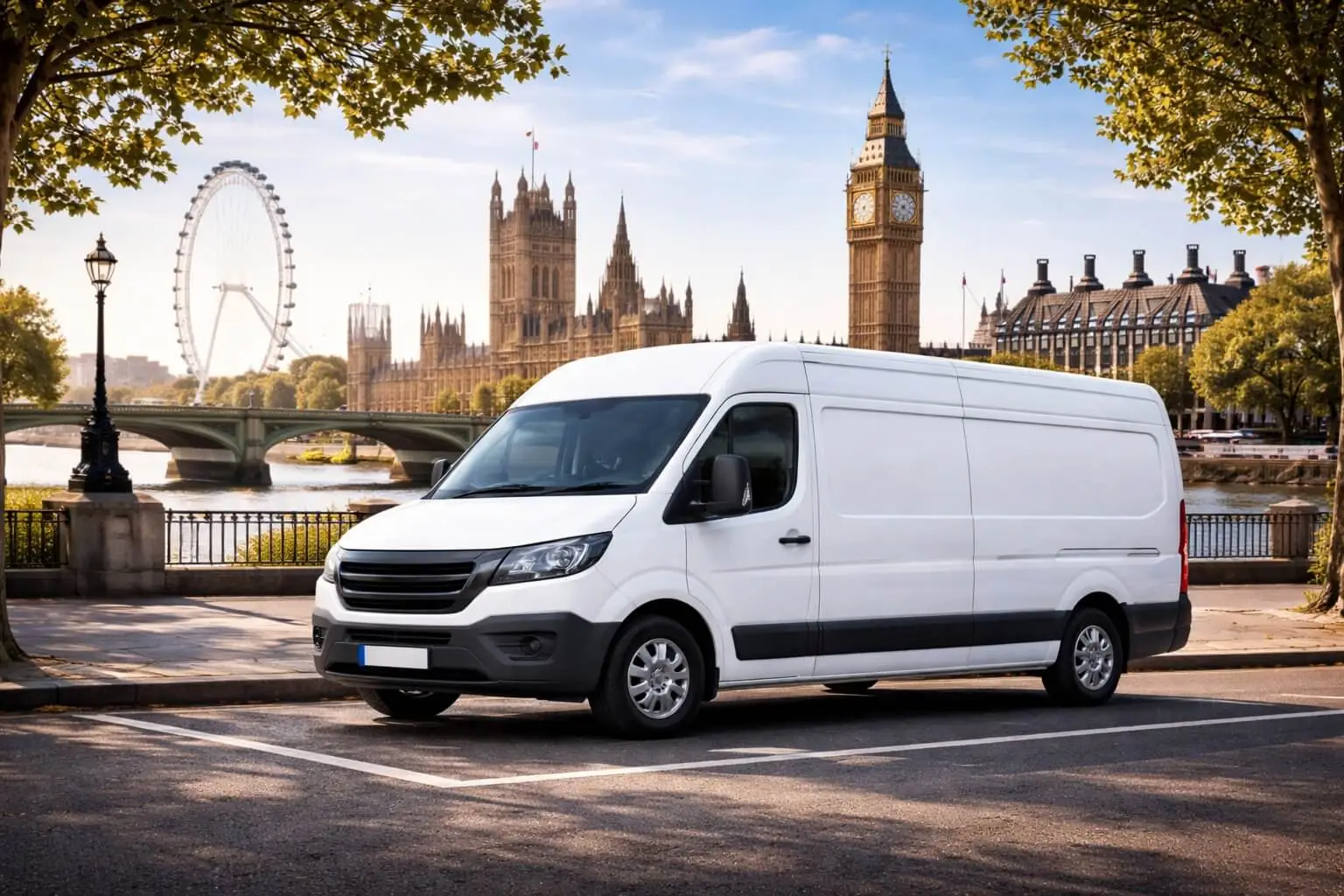
When you are planning a move, stock delivery, or a big clear out, the van hire can feel like the most practical option. One larger vehicle lets you move boxes, furniture, and tools in fewer trips, which saves time, fuel, and stress for you and any friends who come to help on the day.
Before you book, it helps to know what affects the total price and how to pick the right size. Thinking ahead about distance, length of hire, and insurance cover gives you more control over your budget. This guide walks you through those points in plain language so you can compare offers calmly and book a van that truly fits your plans. You will feel better, prepared and your moving day can run smoothly from start to end.
When you look at van hire options you will see many sizes, from small city vans to long wheel base models. A small van is usually enough for boxes, bags, and flat pack pieces, while a larger one suits furniture, appliances, or trade tools for work jobs over several days.
It helps to imagine how many trips you would need in a car. If one van can replace three or four car loads it is probably the right size. Be honest about how much you own so you do not overload the vehicle. Selecting the right capacity makes loading easier, keeps the van safe to drive, and protects your belongings during the travel as well.
Van hire prices are based mainly on how long you keep the vehicle and how far you drive. A short booking for a morning or afternoon costs less than a full long day. Many firms also offer lower daily rates when you keep the van for a weekend or several days in a row.
Distance is another key part of the cost. Some companies include a set number of miles and then charge extra for each mile above that limit. Others offer unlimited mileage so that longer trips feel simpler to plan. Fuel, local demand, and the age of the van also shape the price. Knowing these parts helps you read each quote with clear eyes.
The basic van hire figure you see on a web page or sign is not always the whole bill. Cleaning fees may appear if the van comes back dirty inside, or if paint, dust, or food stains are hard to remove. Late return charges can also add to the cost if you miss the agreed drop off time.
Fuel rules can change your total as well. Many firms expect you to refill the tank before you hand the keys back. Some add extra fees for young drivers or for extra named drivers. There might also be charges for toll roads, parking tickets, or damage to tyres and glass during your trip, so read carefully.
You can often lower the cost of van hire by planning a little earlier. Booking several weeks before your moving day gives you more choice of sizes and sometimes better rates. If you can choose quieter days instead of busy weekends you may see kinder prices and more flexible time slots as well.
It also helps to compare at least three local firms. Write down what each quote includes, such as hours, mileage, and fuel rules. When you see everything side by side the best offer usually becomes clear. Sharing hire and fuel costs with friends or workmates spreads the load so each person pays a fair and realistic amount for the whole journey.
Explore more: How Much Is It To Hire A 12 Seater Minibus?
Before you book, pause and think about the task ahead. A van works well if you have bulky furniture, many boxes, or long pieces of timber and tools that would not fit in a normal car. One well chosen vehicle can replace several car journeys and save time, effort, and fuel overall.
On the other hand, if you only have a few small bags or parcels, a standard car or a simple delivery service might still be enough. You also need a driver who feels relaxed in a bigger vehicle, can use mirrors with care, and is happy parking near busy pavements and tight side streets throughout what may be a long day.
Receive a free instant quote for hiring a coach
in various locations throughout the UK